
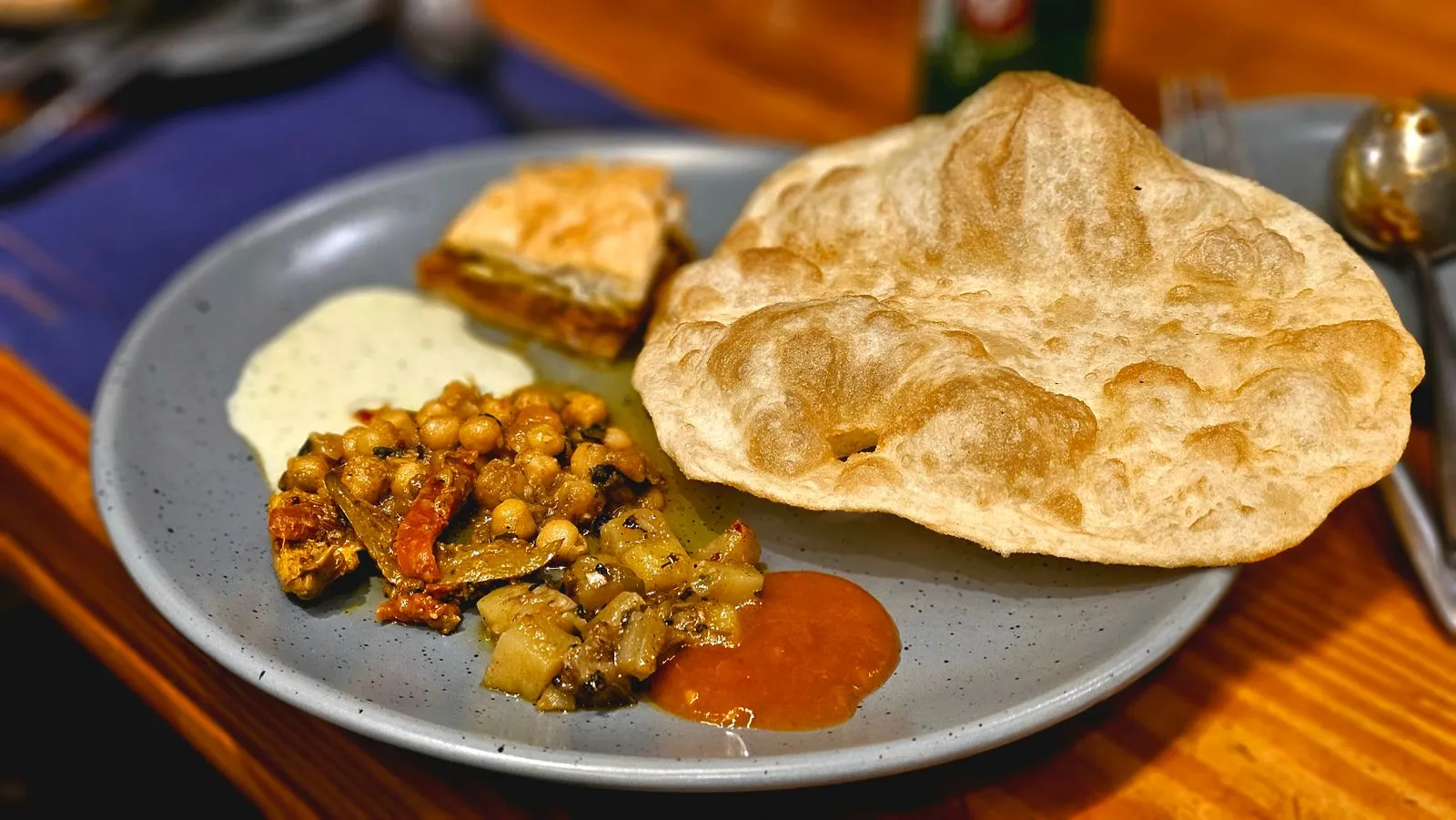
Choosing a curry gets easier when you look beyond the name. Sauces can be creamy or tomato-based, mild or fiery, and built around different spices and ingredients. The same dish may also vary from one restaurant to another, so use menu descriptions as a guide rather than a guarantee. Consider the flavor you enjoy, how much heat you want, and whether you prefer chicken, vegetables, or another protein. Then ask the staff about anything unclear.
Start With Sauce and Texture
For a rich, smooth curry, look for descriptions mentioning cream, yogurt, butter, or ground nuts. These ingredients can soften spice and create a fuller texture. Korma is often mild and creamy, while tikka masala commonly pairs a tomato-based sauce with cream. Recipes differ, so check the menu or ask how the restaurant prepares its version.
If you prefer a brighter, tangier sauce, consider tomato-forward options such as jalfrezi or vindaloo. Jalfrezi often includes peppers and onions, giving it a lively, vegetable-rich texture. Vindaloo is typically sharp and boldly spiced, though its heat level varies. For a thinner, aromatic sauce, ask whether the kitchen offers a curry or masala prepared with a lighter gravy.
Match the Dish to Your Flavor
Think about the flavors you already enjoy. Dishes with tomato, garlic, and ginger often taste savory and tangy; those with coconut may feel gently sweet and rich. Spinach-based curries bring an earthy flavor, while dishes featuring fenugreek can have a distinctive, slightly bitter aroma. If you are unsure, ask which sauce is most tomato-forward, creamy, or herbaceous.
The protein or vegetables also shape the meal. Chicken and lamb absorb sauce differently, while paneer offers a mild, firm bite. Chickpeas, lentils, and mixed vegetables can make a satisfying curry without meat. Ask whether a dish is made with a particular protein by default and whether the kitchen can substitute another option.
Choose a Comfortable Heat Level
Menu labels such as mild, medium, and hot are useful starting points, but they are not standardized. Chili type and quantity, plus the other spices in a recipe, all affect how intense a curry feels. If you are sensitive to heat, say so clearly and ask for the dish to be prepared mild. If you enjoy a kick, ask what the restaurant considers medium or hot.
Creamy sauces may feel gentler, but they are not always mild; tomato-based curries can also range from soft to spicy. Cooling sides such as raita or plain yogurt can help balance a hot meal. Rice or bread can make each bite more manageable, though they do not remove the chili heat. If you have a low tolerance, ask about spice before ordering rather than relying on the dish name.
Ask Questions Before Ordering
A quick question can clarify ingredients and preparation. Ask whether the sauce contains dairy, nuts, or coconut if you have an allergy or dietary restriction, and tell the restaurant about the allergy directly. Ask whether the dish is naturally vegetarian or can be made vegetarian, and confirm whether the kitchen uses separate cookware when that matters to you.
You can also ask for a recommendation based on a specific preference: creamy and mild, tangy with moderate heat, or bold and spicy. At Tandoor & Thyme, diners in Austin can describe what they enjoy and ask the team to explain the curry options. Sharing your heat tolerance and ingredient preferences helps narrow the choice.
The best curry for you depends on the sauce, ingredients, and heat you enjoy—not just the dish name. Use menu descriptions as a starting point, ask about variations, and be clear about allergies or spice preferences. If you are deciding what to try, ask the restaurant for a recommendation based on the flavors you like.